reflections / Couple
A good relationship does not have to be perfect
A relationship can have differences, hard days, and unfinished conversations and still be a good one. What matters is not that you never make mistakes, but what you do when something hurts: whether you listen, own your part, and change what you can. Accepting imperfections does not mean getting used to contempt or living in fear. A worthwhile relationship leaves room to make things right and to be yourself, even when things are not easy.
A good relationship can include mistakes and hard days. What matters is that both people listen, own their part, and repair the harm, not that they seem perfect.
A good relationship can include disagreements. What matters is respectful treatment and both people following through on agreed changes.
The context
Sharing a life brings chores, tiredness, and decisions that reveal sides of the other person we had not seen before. Having differences does not by itself mean the relationship is bad.
For example, you might argue because one person does more of the housework. It helps to listen to what is happening, divide the tasks in a way you can both accept, and follow through. Saying sorry without changing anything leaves the problem unresolved.
An agreement does not have to be exactly what each person wanted, but it should take both people into account. If the same person always gives in, you need to talk about it.
Making a mistake is not the same as humiliating, threatening, or controlling someone. Notice whether you can speak without fear and whether you both take steps to solve problems. You do not have to accept hurtful treatment to prove you know how to live with someone.

FAQ
Questions and answers
Editorial questions and examples inspired by public discussions. They are not reader testimonials.
Dilemmas from this reflection
Put this idea to the test
Explore situations where this reflection does not have a simple answer.
#018Your partner is late again and again. Would you stay with them?Your partner is affectionate and reliable, but often arrives half an hour late. You have discussed it several times, and today you are waiting at a restaurant again.
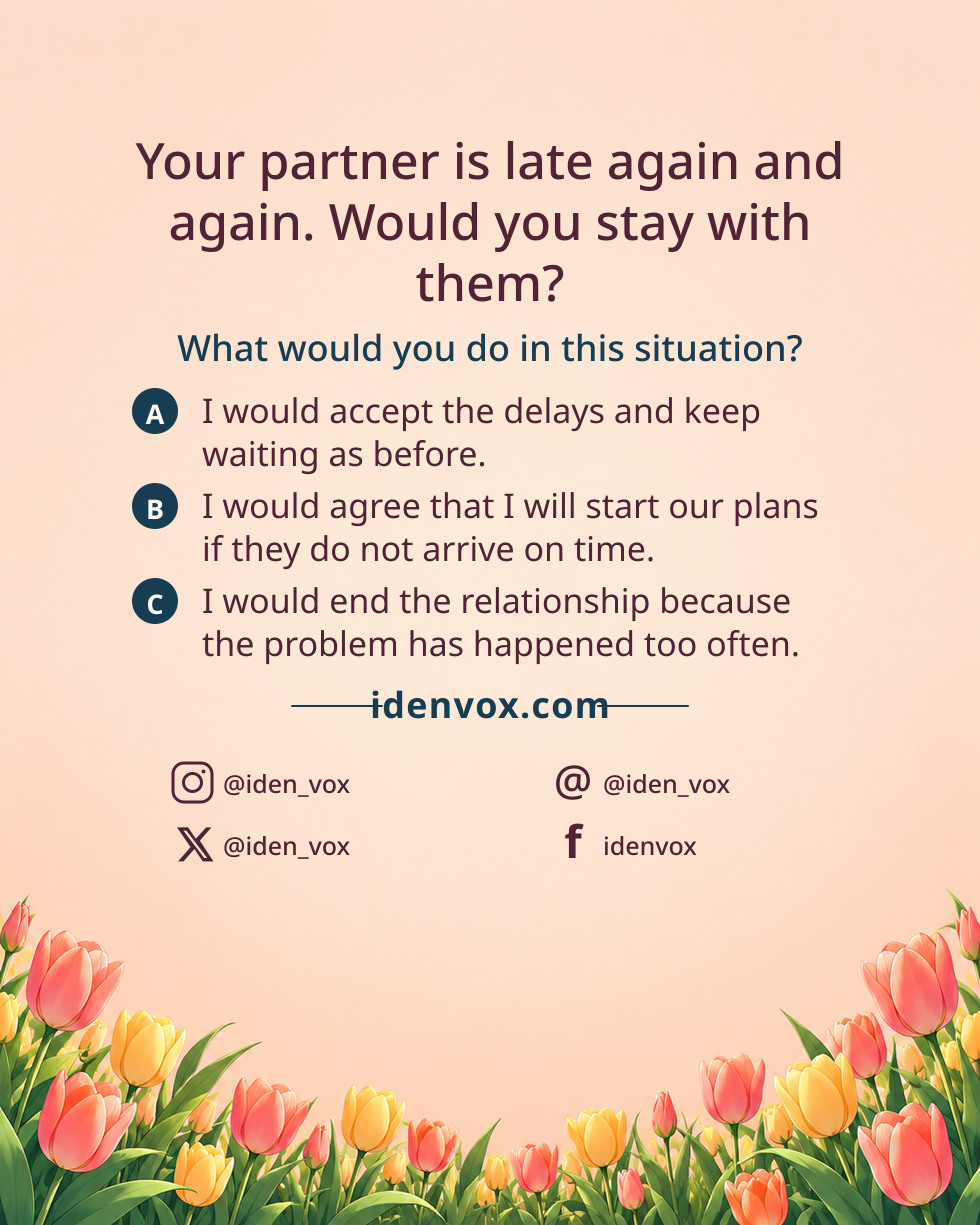
You do not want your needs always pushed into the background. You also do not know whether lateness warrants ending a relationship that works well in other ways.
You may also like



0 approved comments
Reader opinions
Be the first person to share a perspective.