reflections / Digital life
The newest thing is not always the most important
Something does not become important just because it has appeared recently. Between news, trends, and updates, you can spend all day following what has changed and still neglect what you need. An overdue conversation, an old idea, or a simple habit may help you more than the latest update. You do not have to stop staying informed. Choose what deserves your attention, because the newest thing is not always what helps you live well.
The latest news or trend does not always deserve your attention. An overdue conversation or a simple habit may matter more in your life today.
The latest information is not always the most useful. Choose what helps you understand or decide without neglecting people and everyday tasks.
The context
A new story can be useful, but it is not important just because it is recent. Following every update can keep you from paying attention to your own priorities.
Knowing that many people are talking about a subject does not mean you understand it better. Reading opinion after opinion can take up time without explaining what happened or why it matters.
Some subjects remain useful even when they are no longer in the news: living with people who think differently, correcting a mistake, or talking about what we expect from others. Returning to them lets you compare ideas and see which ones help.
Before looking for more information, ask yourself why you need it. If you are making a decision, look for facts that could change it and check where they come from. If you want to understand a problem, make time for a full explanation. Some news needs immediate attention, but not all of it.
An old idea is not good just because it is old, either. Ask what it explains, what evidence supports it, and how it is useful. Choosing this way can leave you more time to learn and to care for the people and tasks in your daily life.

FAQ
Questions and answers
Editorial questions and examples inspired by public discussions. They are not reader testimonials.
Dilemmas from this reflection
Put this idea to the test
Explore situations where this reflection does not have a simple answer.
#031Your store software works, but you are offered a newer, more expensive system. Would you switch?Your store uses software that works for recording sales. A supplier offers a new system, but switching will cost money and two days of training.
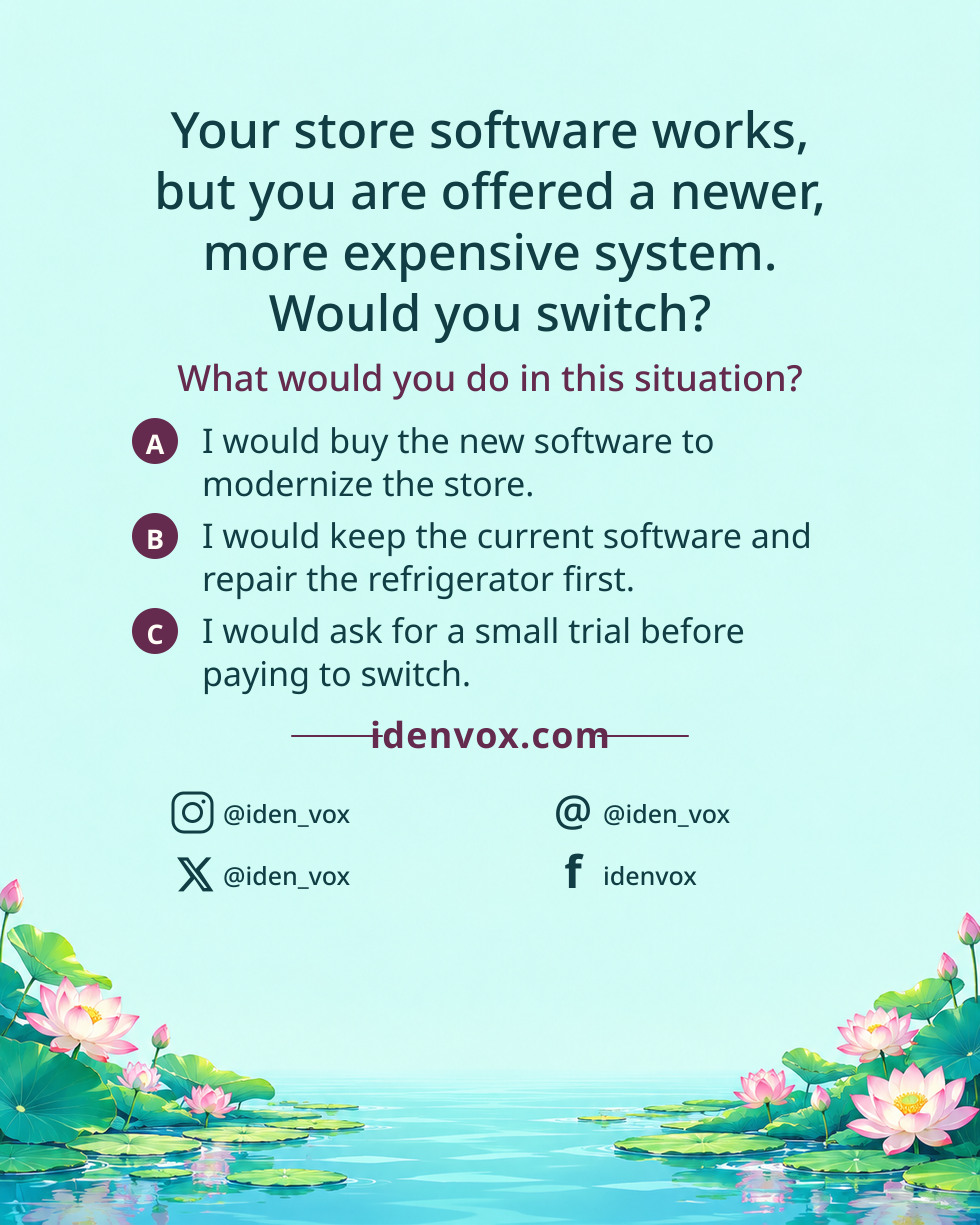
The new software may offer useful improvements. Buying out of enthusiasm without checking them could take resources away from a problem you already know you have.
You may also like

0 approved comments
Reader opinions
Be the first person to share a perspective.