Before acting on a problem, check two things: which facts you may have misunderstood and which part depends on your actions. With that information, choose whether to intervene, adapt, or step away.
Idenvox quotes
Considering choices, uncertainty and the trade-offs behind decisions that matter to you.
Before acting on a problem, check two things: which facts you may have misunderstood and which part depends on your actions. With that information, choose whether to intervene, adapt, or step away.
If an important decision has been postponed for a long time, set a date for the first step. Waiting without a limit is also a decision, and it has consequences.
A well-considered decision does not need applause. If it respects your values, considers the consequences, and relies on facts, you can explain it without asking for permission.
Persistence makes sense while your actions can still improve the situation. If you have tried reasonable changes and nothing improves, you can also choose another path.
Not every decision becomes clearer through more thinking. Once you know the facts, taking a small step can show you what information was missing.

Reality does not always offer fair options. Even so, look for the most dignified choice among those available.
Intuition can tell you to review something, but it does not replace facts. Use it to form a question, then check the answer before acting.
Before abandoning an idea because other people doubt it, run a small test and review the result. Facts can help you decide better than fear or applause.
Thinking before acting is prudent; waiting until every doubt disappears can leave you still. When the risk is reasonable, try one small, reversible step.
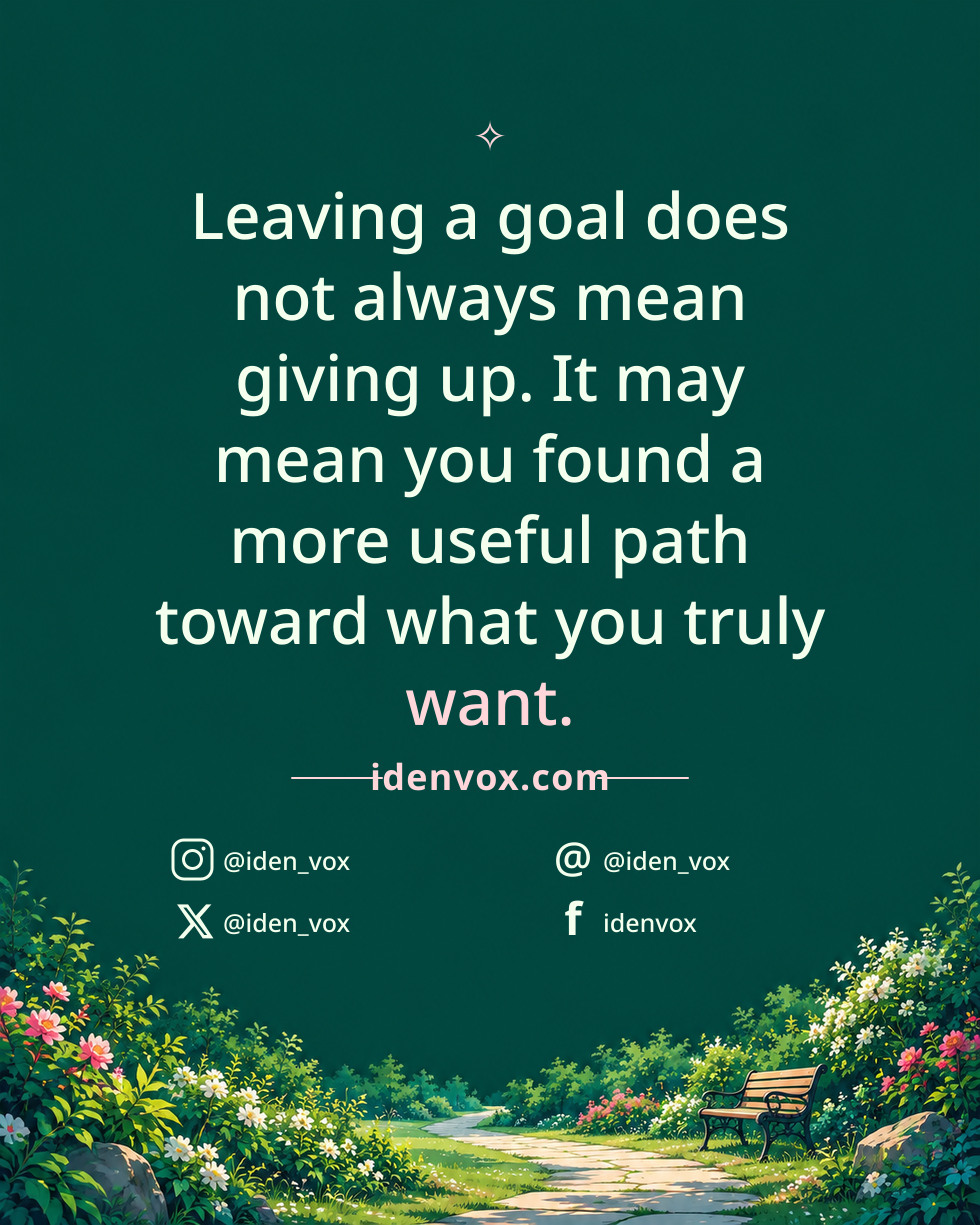
Leaving a goal does not always mean giving up. It may mean you found a more useful path toward what you truly want.

Before rejecting an opportunity only because of fear, find out what it requires, what real risk it carries, and how long you have to decide. Information helps you choose better.
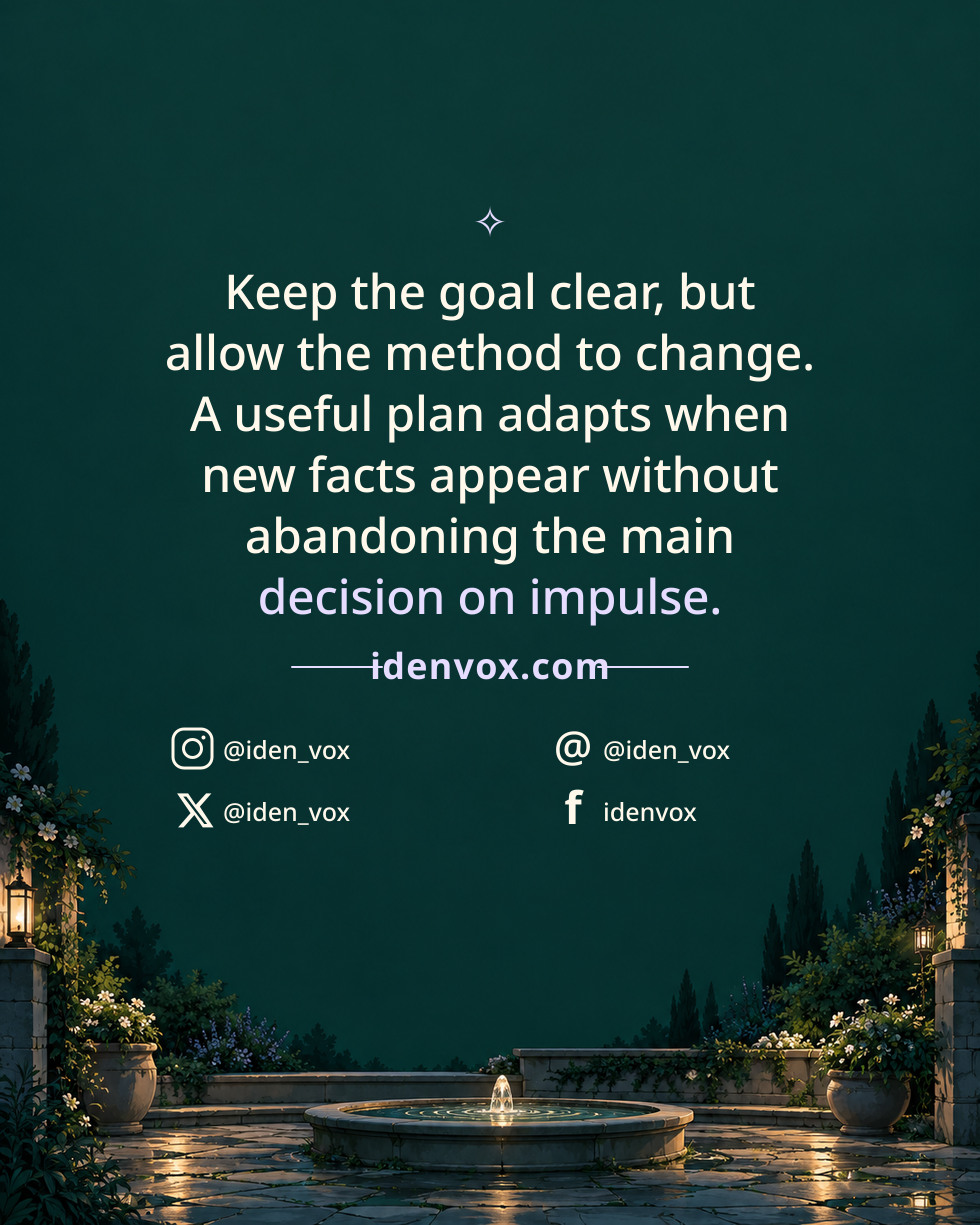
Keep the goal clear, but allow the method to change. A useful plan adapts when new facts appear without abandoning the main decision on impulse.

A decision that is right for you may impress no one. If it respects your needs, values, and responsibilities, it may still be a good decision.
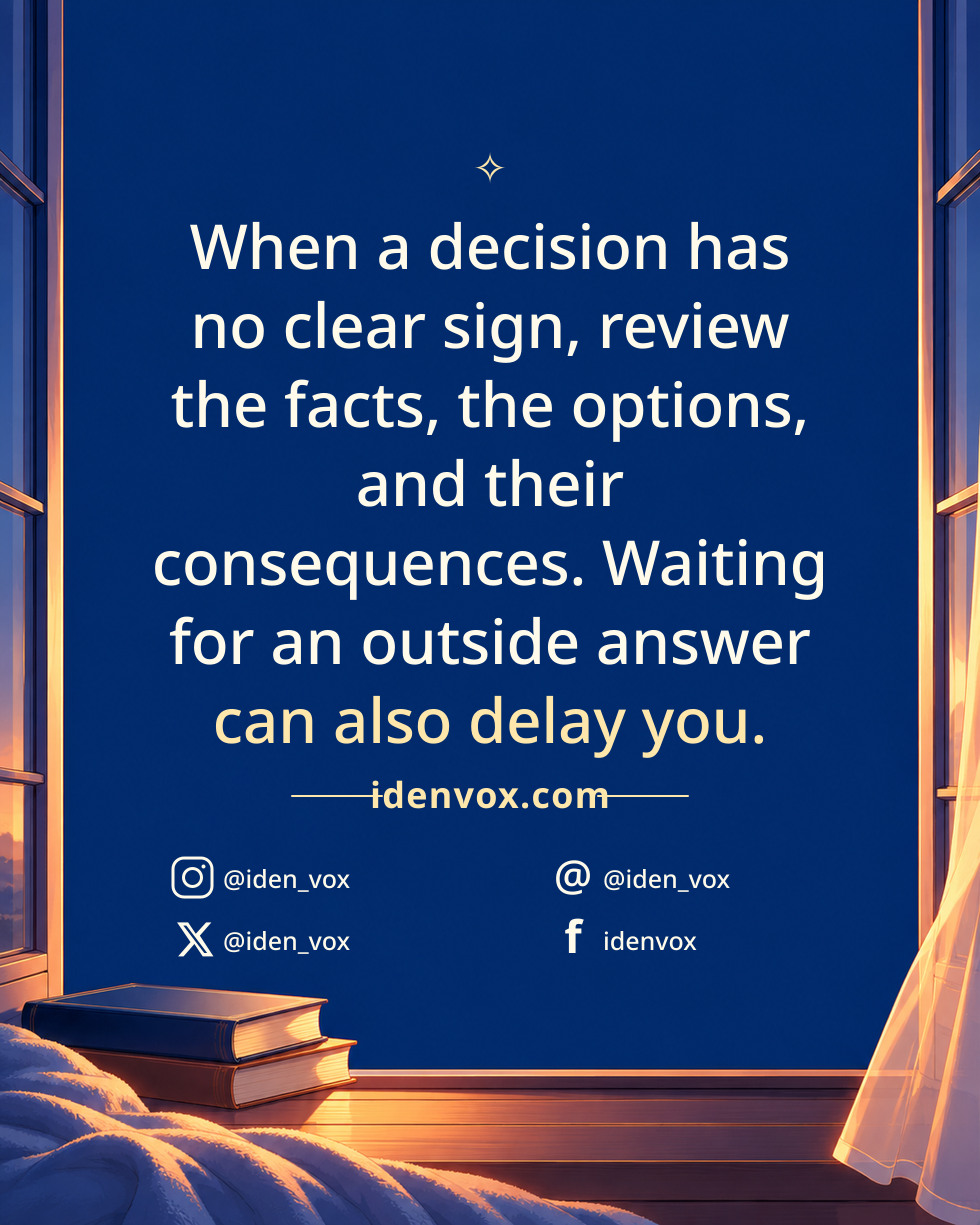
When a decision has no clear sign, review the facts, the options, and their consequences. Waiting for an outside answer can also delay you.
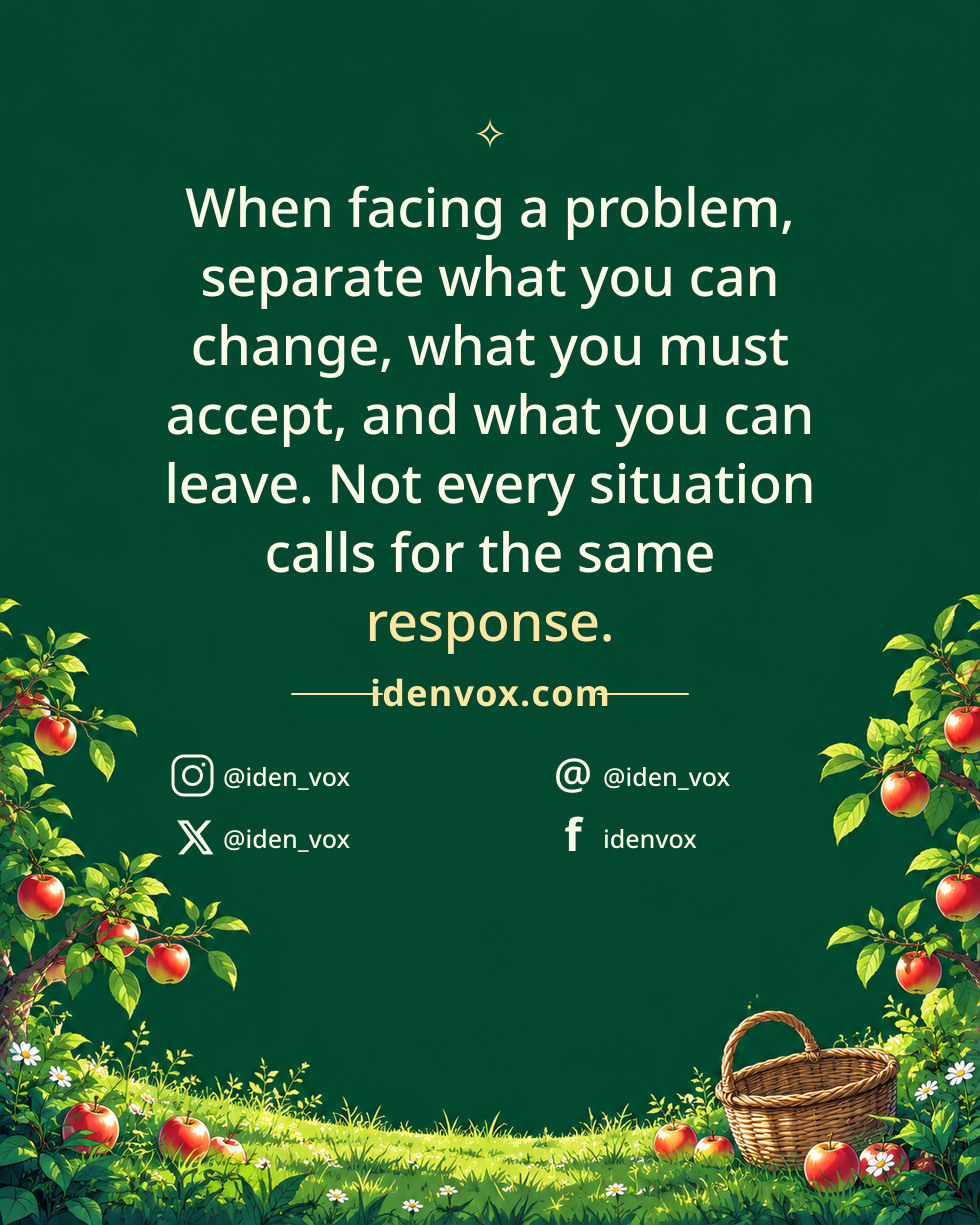
When facing a problem, separate what you can change, what you must accept, and what you can leave. Not every situation calls for the same response.

The fact that goodbye hurts does not mean staying was the right decision.